
In fast-paced industries where sharp tools, abrasive materials, and demanding tasks are part of the daily routine, hand injuries remain one of the most common—and preventable—workplace incidents. The right cut protection isn’t just about compliance; it’s about confidence, productivity, and protecting people.
That’s where uvex cut protection gloves make the difference.
Engineered for real-world protection
uvex cut protection gloves are designed to deliver dependable defence against mechanical hazards without sacrificing comfort or dexterity. Using advanced fibre technologies and precision knitting techniques, each glove is built to:
- Reduce the risk of cuts and lacerations in high-hazard environments
- Maintain flexibility and tactile feel for detailed handling tasks
- Provide breathable comfort for long shifts in demanding conditions
From manufacturing and construction to warehousing, metal handling, and maintenance, uvex gloves help workers stay protected while performing at their best.
Recommended uvex models for mechanical cut risks:
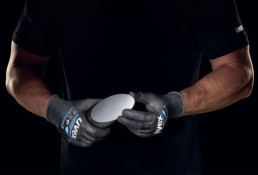
uvex Bamboo TwinFlex D SG – Cut D protection with patented bamboo fibre technology, ideal for hot and humid Australian conditions where comfort is critical.
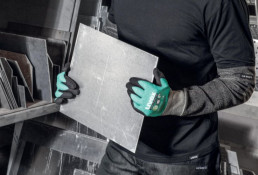
uvex phynomic F XG – High Cut F protection and tear resistance with Xtra Grip (XG) aqua-polymer coating for superior grip in oily environments.
Performance without compromise
Traditional cut-resistant gloves often force a trade-off between protection and usability. uvex takes a different approach—combining high cut resistance with ergonomic design so workers don’t need to remove their gloves to get the job done.
Key performance benefits include:
- High cut resistance
Advanced yarn blends and protective fibres deliver reliable resistance to sharp edges and rough materials, supporting safer handling across a wide range of applications like the uvex phynomic F XG – Designed for high-risk industrial environments, sheet metal handling and sharp component assembly. - Superior grip
Specialised palm coatings enhance control in dry, oily, or slightly damp conditions—reducing slips, improving precision, and supporting productivity some example are;
- uvex phynomic C XG ESD – Delivers excellent dry and light-oil grip with added ESD protection, ideal for precision assembly and electronics handling.
- uvex phynomic F XG – Combining high Cut F protection with outstanding grip in slightly oily environments, suited to metal handling and mechanical tasks.
- All-day comfort
Lightweight, breathable liners and seamless construction minimise hand fatigue, helping workers remain focused from start to finish. The uvex Bamboo TwinFlex D SG – Breathable bamboo liner helps regulate temperature during extended shifts. - Durable protection
Safety gloves should deliver more than just initial protection—they need to perform consistently day after day. uvex cut protection gloves are engineered for long-term durability, maintaining their protective performance even under repeated use. The result is dependable safety for workers and improved cost efficiency for businesses.
- The uvex phynomic cut range, designed and manufactured in Germany, delivers outstanding abrasion resistance to support extended wear life in demanding environments.
- The uvex athletic cut range provides reliable cut protection across levels A–D, combined with excellent abrasion resistance to help maximise glove lifespan without compromising comfort or dexterity.
Safety that supports compliance
Workplace safety standards continue to evolve, and selecting the right cut protection is critical for meeting regulatory requirements and internal safety expectations.
uvex cut protection gloves are developed in line with recognised international safety standards, giving safety managers and procurement teams confidence that:
- Protection levels are clearly defined and tested
- Products are suitable for demanding industrial environments
- Workers are equipped with reliable, certified PPE
This makes uvex gloves a trusted choice for organisations committed to strong safety culture and risk reduction.
Designed around the user
uvex cut protection gloves are developed around how tasks are actually performed on site.
Key design features include:
- Ergonomic shaping for natural hand movement and reduced fatigue
- Skin-friendly materials suitable for extended wear
- Low-lint construction for use in controlled or precision environments
- Durable, professional finishes suited to industrial applications
Protection only works when gloves remain comfortable enough to stay on the hand—shift after shift.
Reducing hand injuries isn’t just a safety objective—it’s a business priority. Fewer injuries mean:
- Less downtime
- Lower compensation costs
- Higher productivity
- Stronger worker wellbeing
By investing in high-quality cut protection like uvex gloves, organisations take a proactive step toward safer, more efficient operations.
protecting people—every task, every day
Whether handling sharp metal, cutting materials, or working in high-risk environments, uvex cut protection gloves are built to deliver the performance, comfort, and confidence today’s workers demand.
Because at uvex, safety isn’t an afterthought.
It’s a commitment—one that’s been protecting people for 100 years.
Looking to improve hand protection on your site?
Explore the uvex cut protection range or speak with your uvex representative to find the right solution for your application.