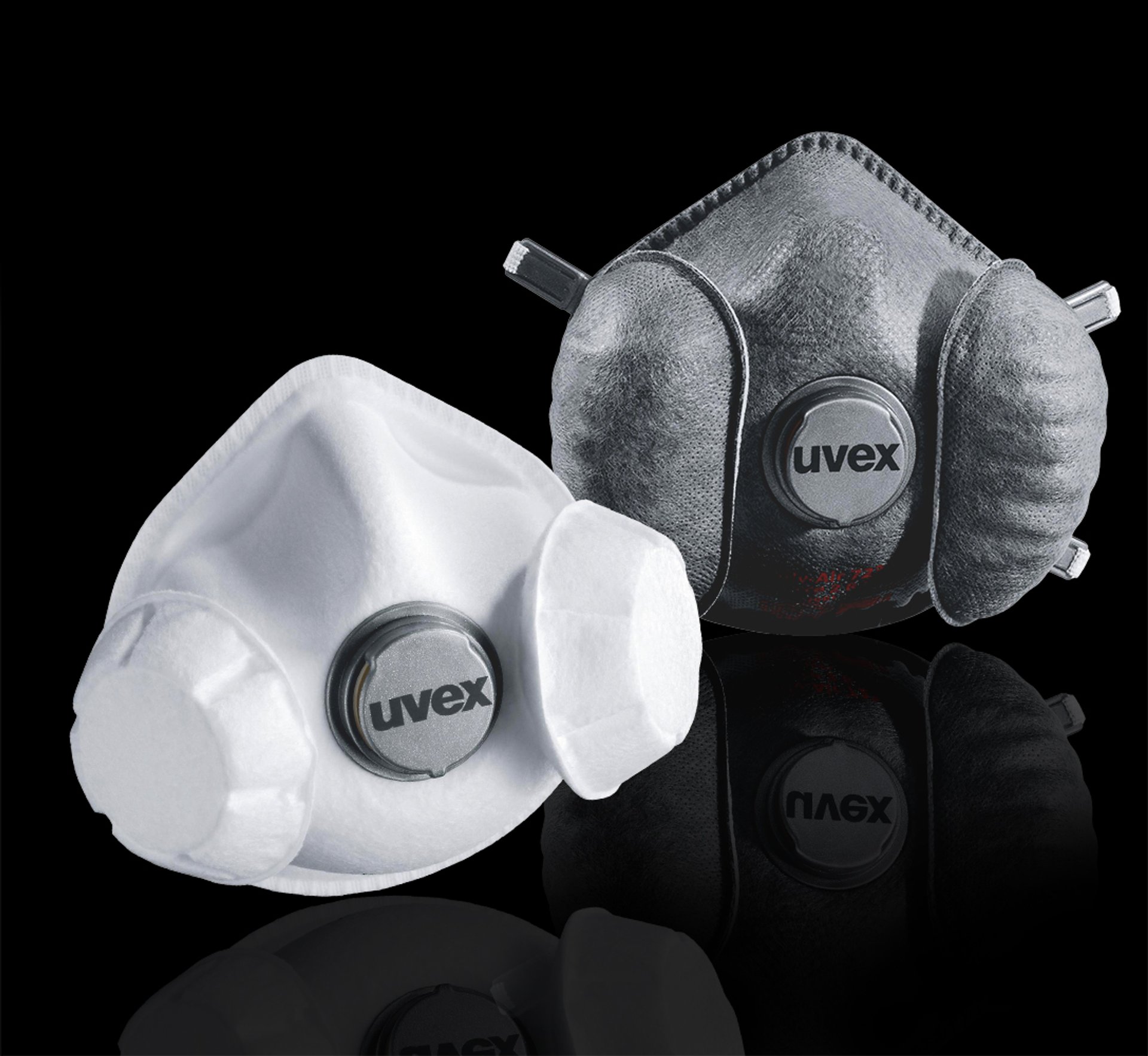
Atemschutz mit Einatemventil
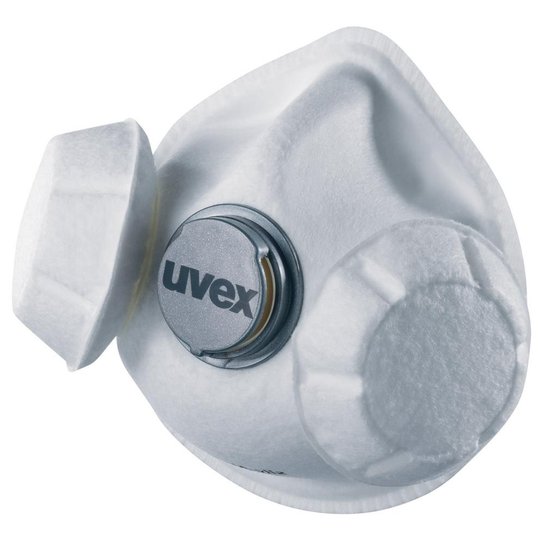
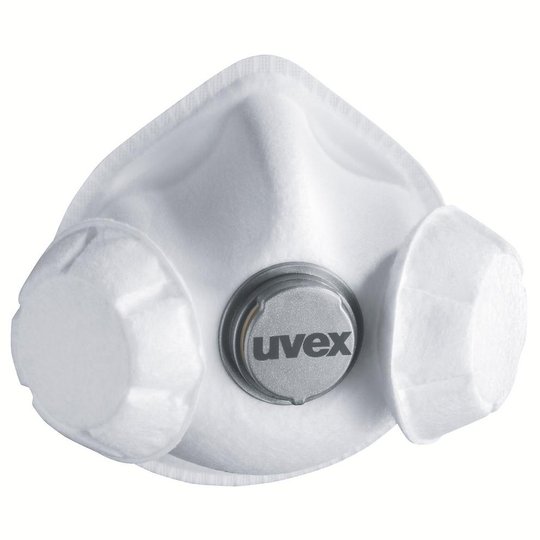
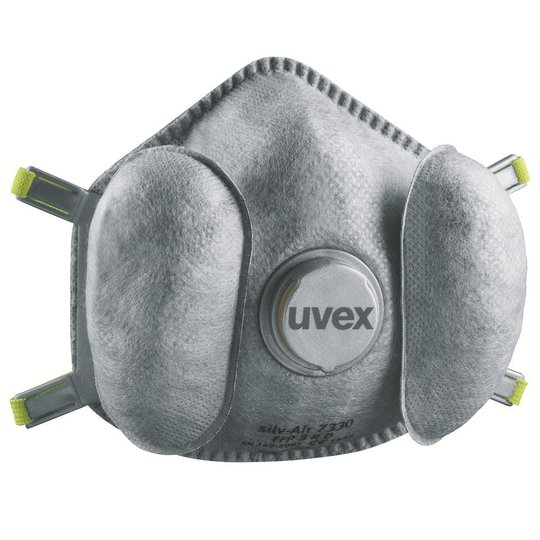
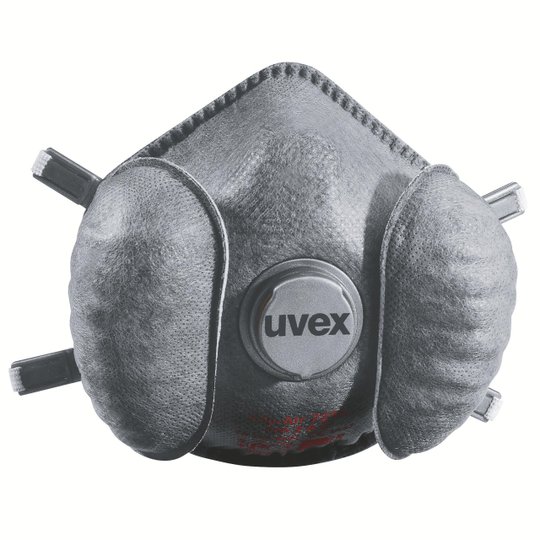
Unsere Atemschutzmasken mit Einatemventilen zeichnen sich vor allem durch ein angenehm kühles Klima in der Maske aus. Dieser Kühlungseffekt ist bei körperlich anstrengenden Arbeiten unter hohen Temperaturen besonders wertvoll. Dazu tragen auch die Luftkammern über den Ventilen bei, die die Luftzirkulation regeln und gleichzeitig eine wichtige Filterfunktion haben. Auf dieser Seite erhalten Sie einen Überblick über unsere Produktauswahl an Atemschutzmasken mit Einatemventilen. Alle Modelle verfügen auch über ein Ausatemventil.
- 4 Produkte

FAQ-Bereich: Fragen und Antworten zu Atemschutzmasken mit Einatemventil
Um das richtige uvex-Produkt für Ihren Einsatz zu finden, sind bei Ihnen noch einige Fragen offen? Im folgenden FAQ-Bereich finden Sie Antworten zu Funktion und Wirkungsweise von Atemschutzmasken mit Einatemventil.
Was ist eine Atemschutzmaske mit Einatemventil?
Eine Atemschutzmaske mit Einatemventil verfügt über ein Ventilsystem, das beim Einatmen öffnet und die Luft mit geringem Widerstand in die Maske strömen lässt. Dadurch steigt der Atemkomfort, was gerade bei hohen Temperaturen und/oder körperlichen Belastungen der Trägerin oder dem Träger entgegenkommt.
Welche Arten von Ventilen gibt es bei Atemschutzmasken?
Bei Atemschutzmasken kommen im Wesentlichen zwei Ventiltypen vor: Ventile für die Ausatmung und solche für die Einatmung. Ein Ausatemventil öffnet sich beim Ausatmen, wodurch warme und feuchte Luft schneller entweichen kann und der Tragekomfort steigt – allerdings gelangt die ausgeatmete Luft ungefiltert nach außen, sodass kein Schutz für die Umgebung besteht. Ein Einatemventil wird vor allem bei wiederverwendbaren Halbmasken eingesetzt. Es erleichtert das Einatmen, indem es den Widerstand reduziert. Oftmals, so auch bei uvex, besitzen Einatemventile mehrere Kammern, was die Filteroberfläche insgesamt und somit den Atemkomfort erhöht. Atemschutzmasken von uvex mit Einatemventilen besitzen immer auch ein Ausatemventil, was sie noch funktionaler macht.
Ist das Atmen mit einer Maske ohne Ventil anstrengender?
Bei Atemschutzmasken ohne Ventil müssen Ein- und Ausatemluft vollständig durch das Filtervlies strömen, wodurch der Atemwiderstand in beide Richtungen etwas höher ausfällt. Modelle mit Einatem- oder Ausatemventil reduzieren diesen Widerstand jeweils in einer der beiden Atemrichtungen spürbar. Moderne FFP2-Masken nutzen jedoch sehr leistungsfähige Filtermedien, die den Luftdurchfluss optimieren und das Atmen erleichtern. Dadurch bleiben auch ventillose Varianten bei längerer Tragedauer angenehm und zuverlässig.
Was ist eine FFP1 Maske mit Einatemventil?
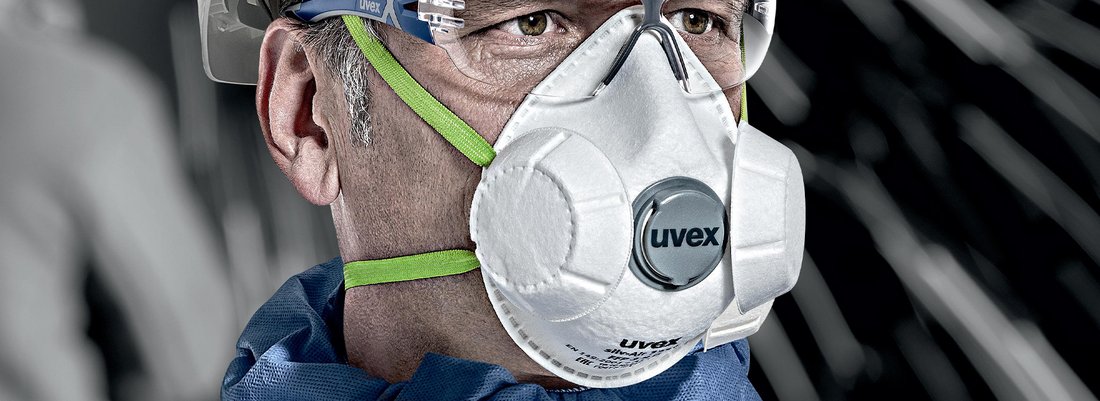
Eine FFP1 Maske mit Einatemventil filtert mindestens 80% der Partikel und erleichtert durch das Ventil das Einatmen. Sie bietet grundlegenden Schutz bei leichter Staubbelastung und sorgt dank reduziertem Einatemwiderstand für höheren Komfort bei längeren Tätigkeiten.
Was ist eine FFP2 Maske mit Einatemventil?
Eine FFP2‑Maske mit Einatemventil erreicht mindestens 94% Filterleistung und reduziert durch das Ventil spürbar den Einatemwiderstand. FFP2‑Modelle mit Einatemventil eignen sich für Arbeitsbereiche mit mittlerer bis höherer Partikel- und Aerosolbelastung, bei denen komfortables Atmen wichtig ist.
Was ist eine FFP3 Maske mit Einatemventil?
Eine FFP3 Maske mit Einatemventil bietet mit mindestens 99 % Filtration den höchsten Schutz vor sehr feinen, gesundheitsgefährlichen Partikeln. Das Ventil erleichtert das Einatmen deutlich. Sie wird bei starker Staub und Aerosolbelastung eingesetzt, etwa in Metall-, Chemie- oder Gefahrstoffbereichen.