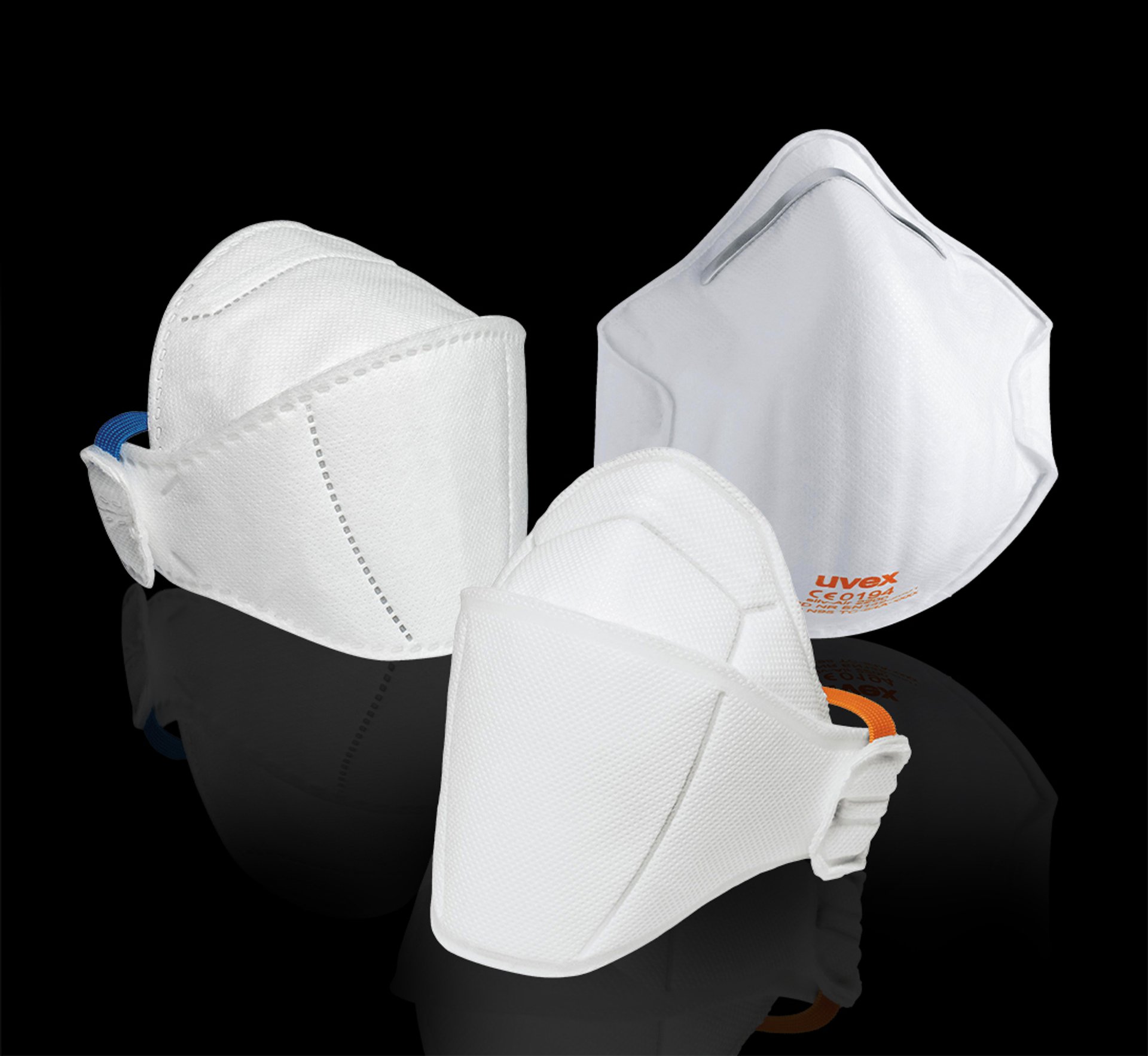
Respiratory protection without a valve
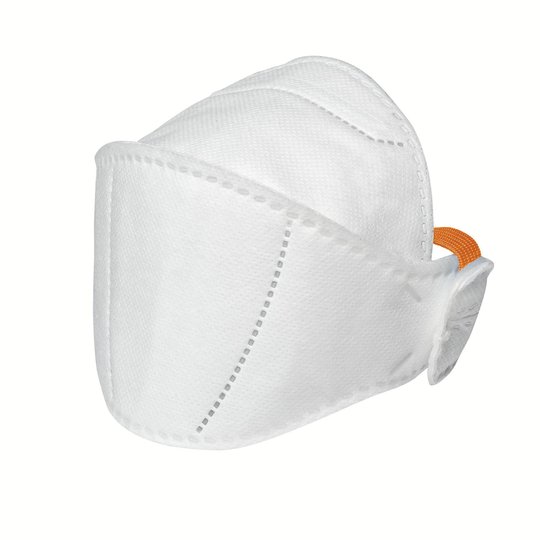
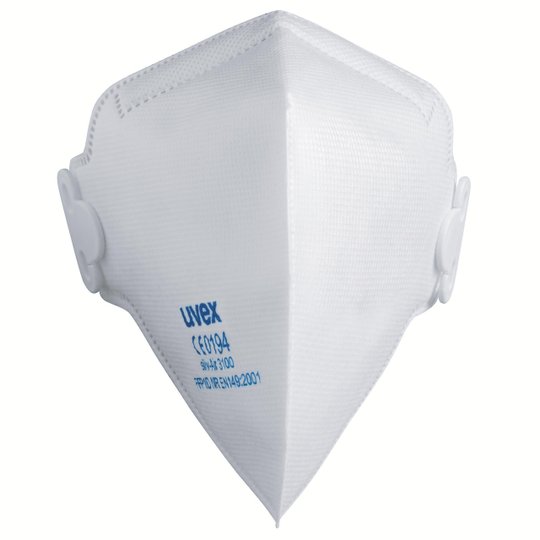
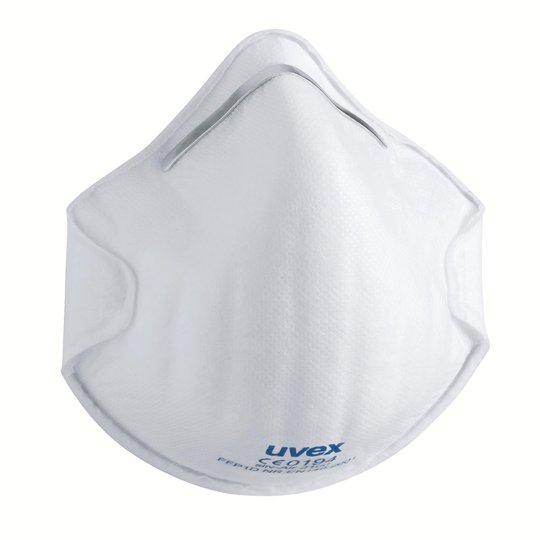
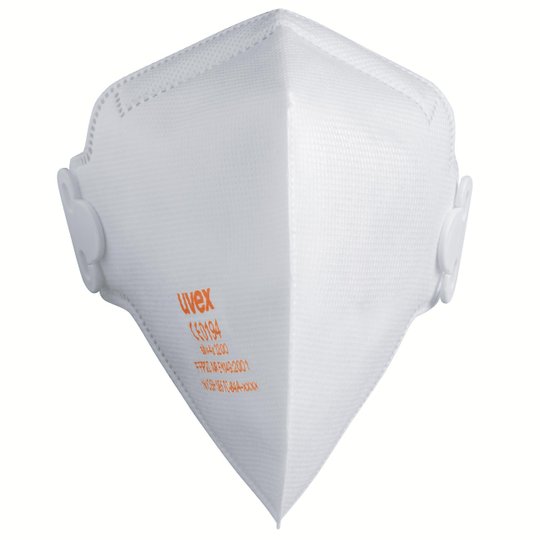
Respirators without valves – particularly in contrast to those with inhalation or exhalation valves – are characterised by one key feature: they offer protection for both the wearer and others. With a secure fit, particles and aerosols cannot enter the respirator nor escape from it. This is hugely important in hygiene-critical areas such as healthcare, and respirators without valves may also be necessary in laboratories or when handling food. On this page, you will find an overview of our range of such respirators.
- 8 Products

FAQ section: Questions and answers about respirators without a valve
Do you still have some questions about finding the right uvex product for your application? In the following FAQ section, you will find answers about the function and effectiveness of respirators without valves.
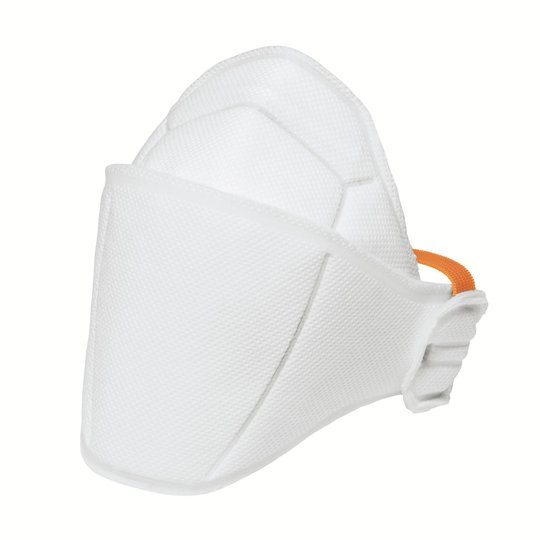
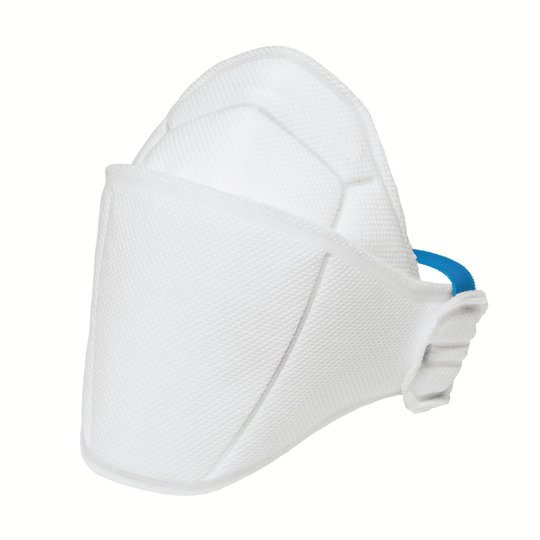
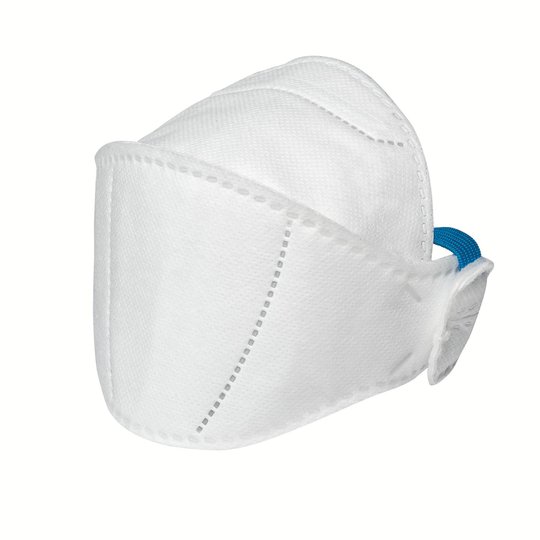
What is a respirator without a valve?
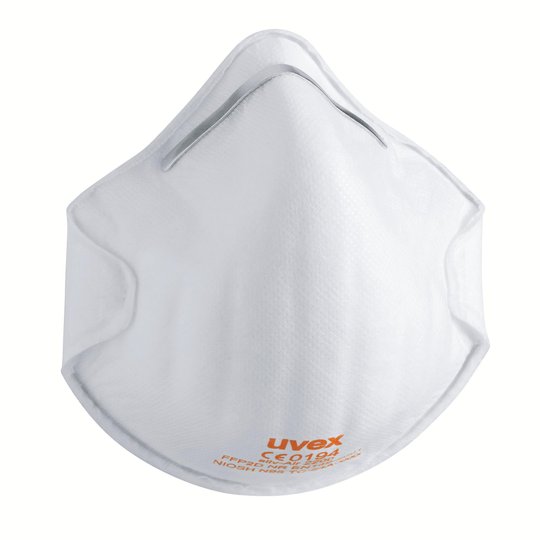
A respirator mask without a valve filters both inhaled and exhaled air through the mask material. It therefore offers dual protection: it protects the wearer from particles, aerosols and dust – and at the same time protects the surrounding environment from unfiltered exhaled air. Respirator masks without valves are therefore used wherever protection of others and high hygiene standards are crucial.
What types of valves are available for respirators?
There are mainly two types of valves on respirators: exhalation valves and inhalation valves. An exhalation valve makes exhaling easier, reduces heat and moisture inside the mask and thus increases wearer comfort – however, the exhaled air is not filtered, which means there is no protection for others. An inhalation valve is mainly found on reusable half masks: it reduces inhalation resistance, whilst the exhaled air continues to be expelled via the filter system, thereby maintaining protection for others.

Is breathing more difficult with a mask without a valve?
With a respirator without a valve, the breathing resistance when exhaling and inhaling is slightly higher, as the air has to pass through the filter material. With an inhalation or exhalation valve, the resistance would be reduced in one of the two directions. However, modern FFP2 masks use optimised filter structures that significantly reduce resistance and improve wearer comfort. This means that masks without valves remain comfortable and safe even when worn for long periods.
What are the differences between an FFP1 mask without a valve, an FFP2 mask without a valve and an FFP3 mask without a valve?
FFP1, FFP2 and FFP3 masks without a valve differ primarily in their filtration efficiency and level of protection. A valve-free FFP1 mask filters at least 80% of all particles and is suitable for work areas with low dust levels. A valve-free FFP2 mask offers significantly higher protection with a filtration efficiency of at least 94% and is used wherever both personal and third-party protection are important – for example in medicine, care or laboratories. The FFP3 mask without a valve achieves the highest level of protection with a filtration efficiency of at least 99% and also protects against very fine, hazardous particles. As with all three variants, all inhaled and exhaled air passes through the filter material, they always offer protection on both sides and are ideally suited for hygiene-sensitive areas.