Shock-absorbing safety shoes
i-PUREnrj | Innovative midsole for better endurance due to shock absorption and energy return
The innovative PU midsole material redefines cushioning and energy return, reducing fatigue.
Discover uvex safety shoes with i-PUREnrj technology
- 52 Products
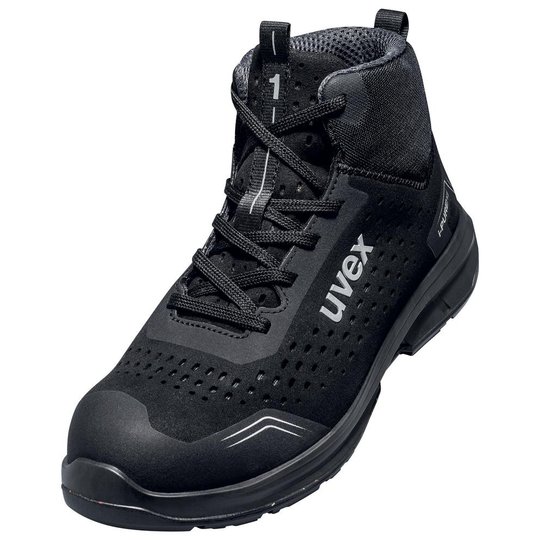
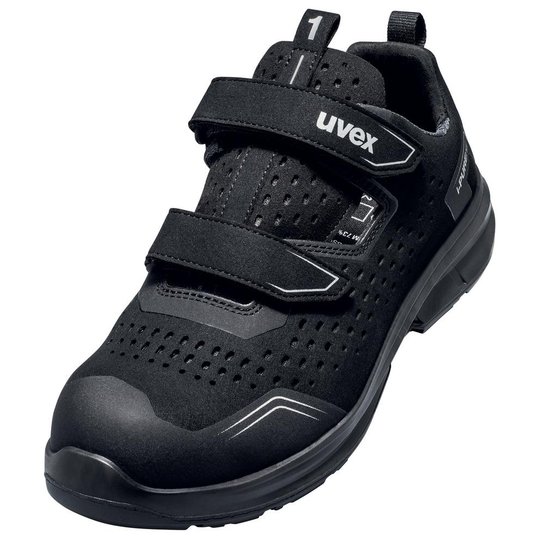
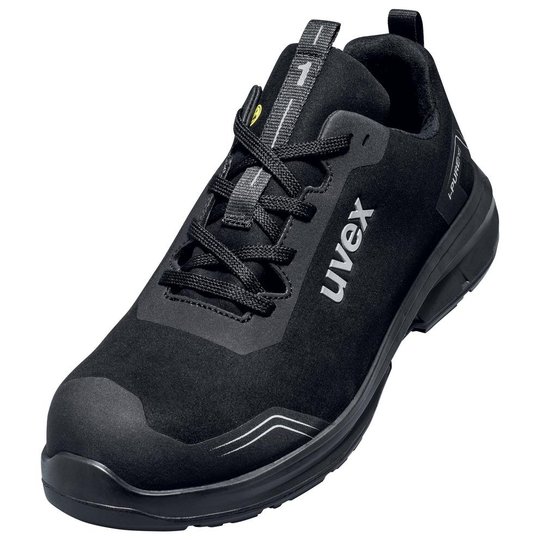
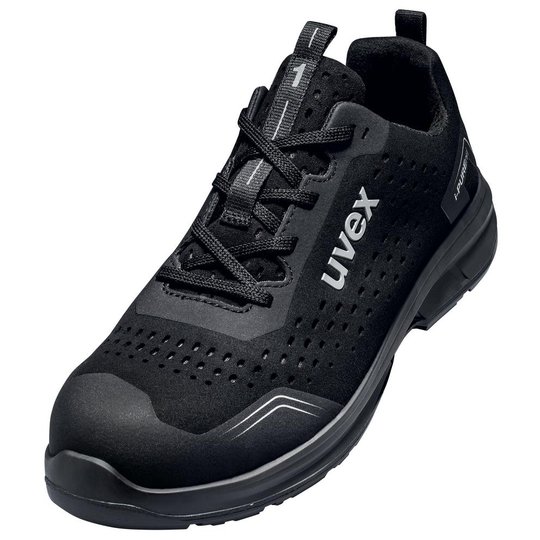
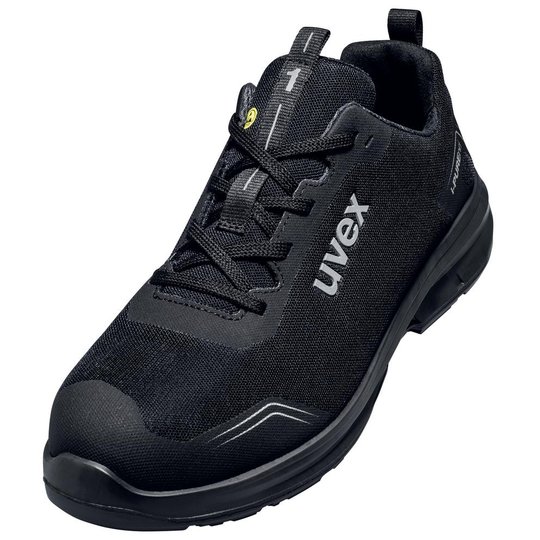
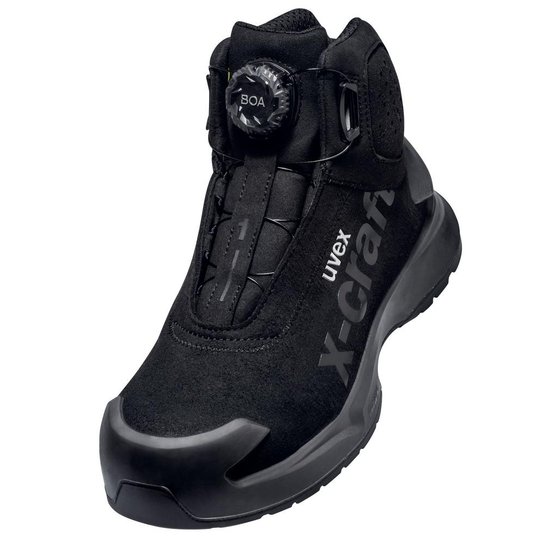
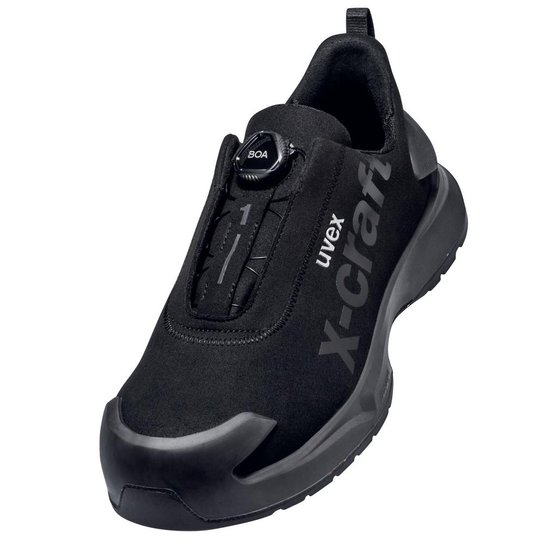
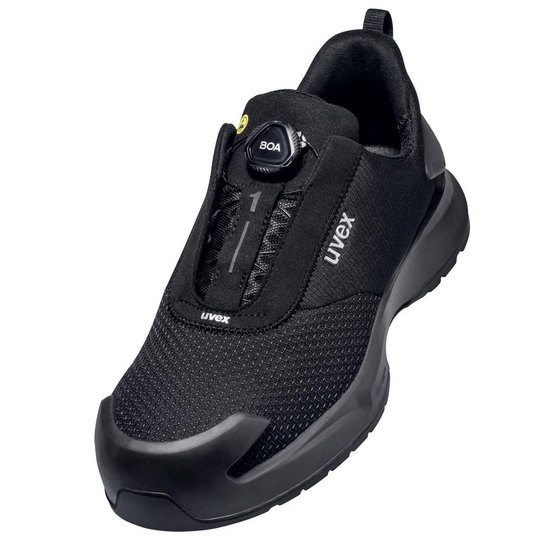
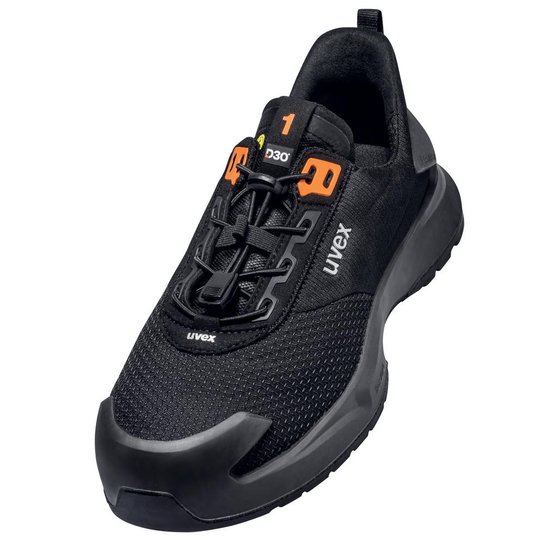
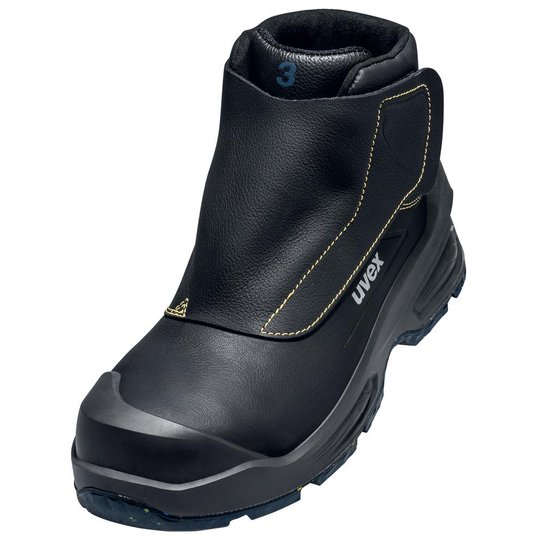
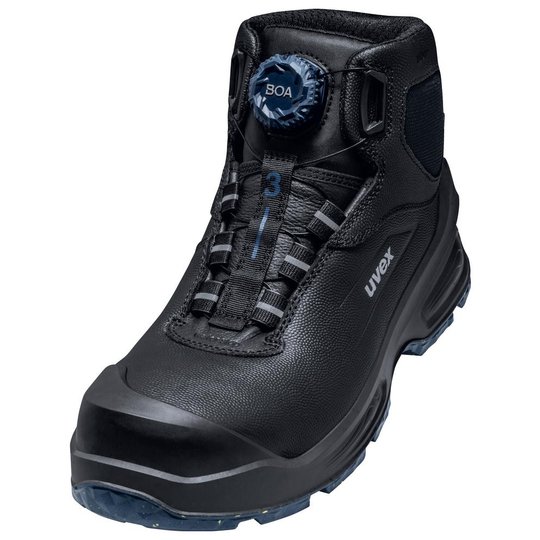
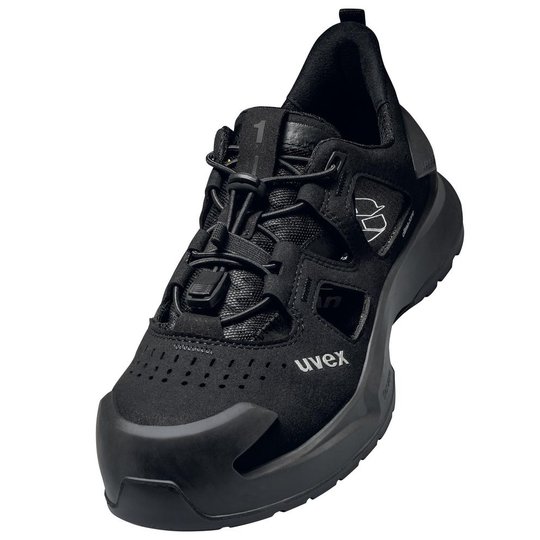
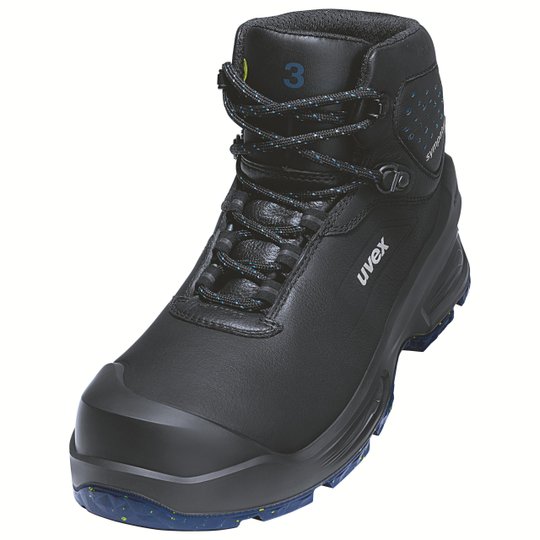
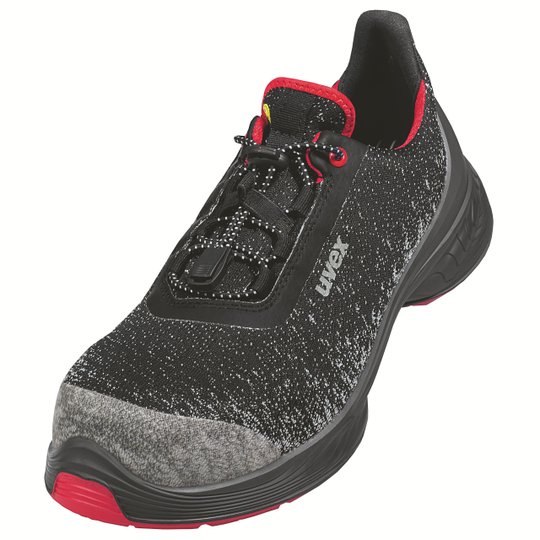
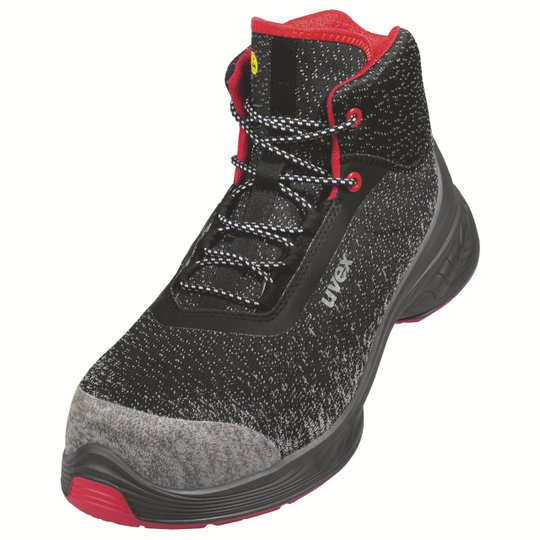
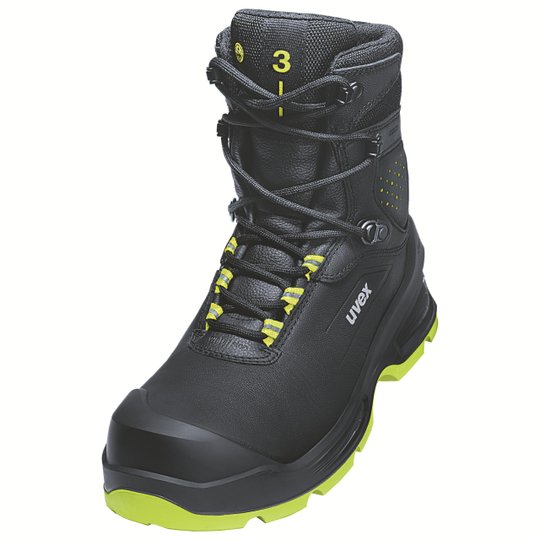
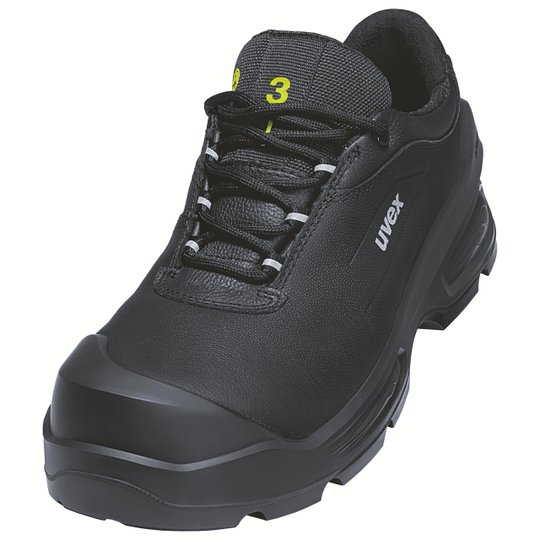
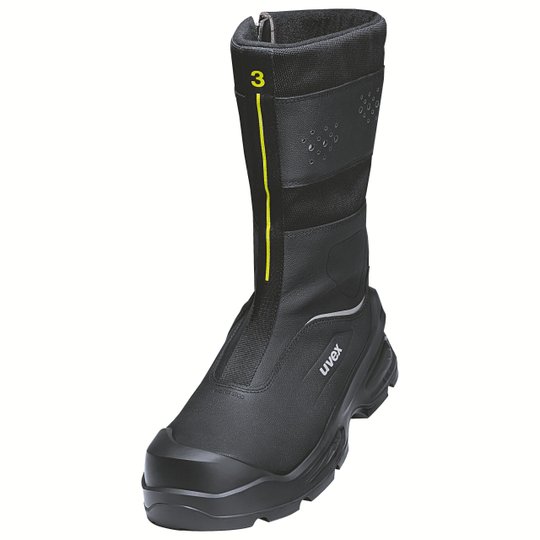
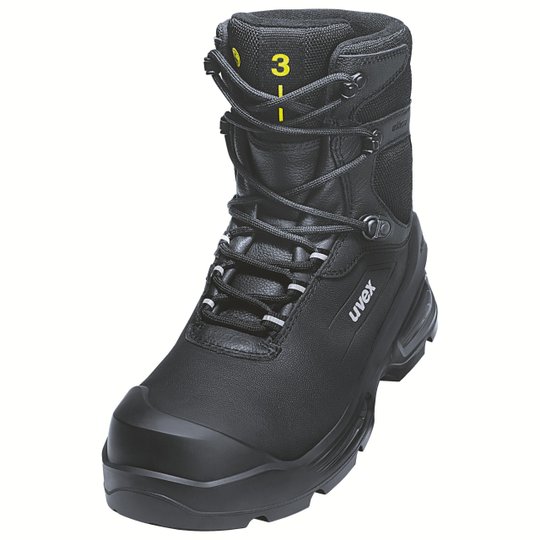
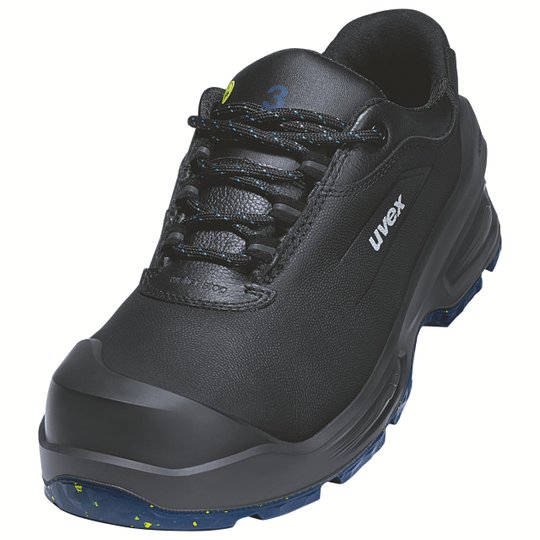
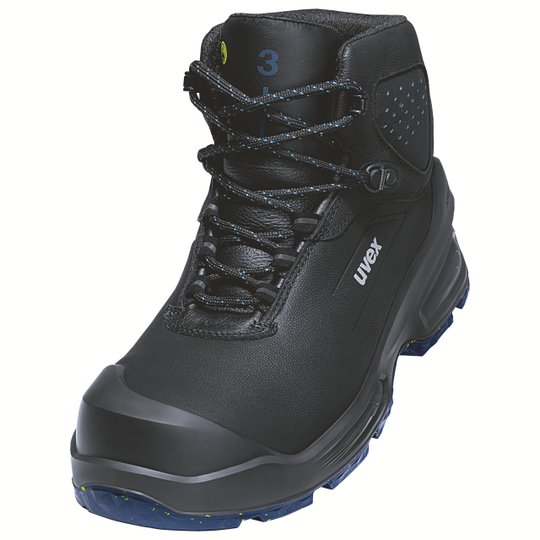
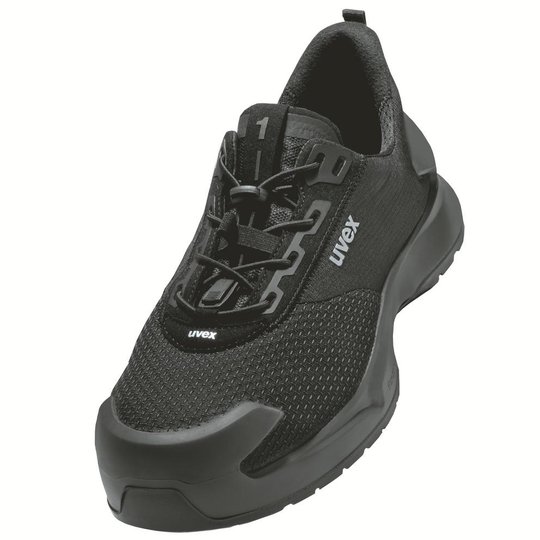
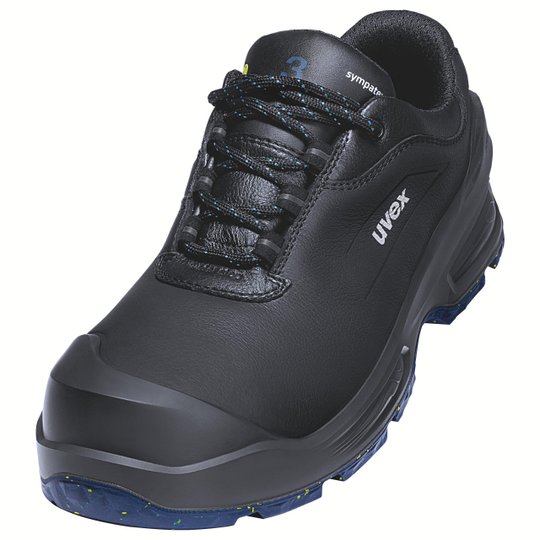
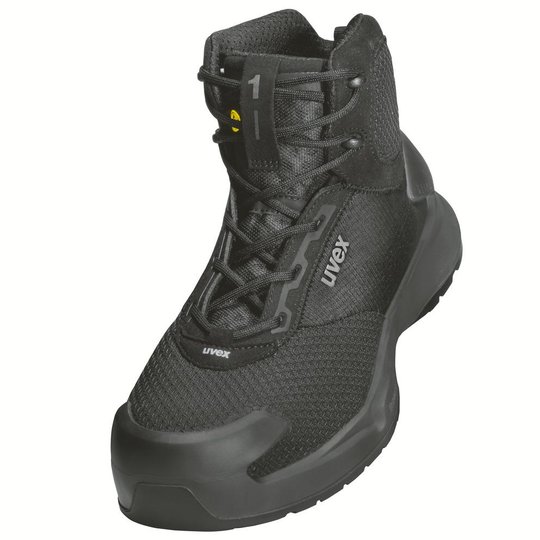
Safety shoes with cushioning from uvex – More energy for your feet
Anyone who spends many hours on their feet every day knows the problem: by the afternoon, your feet, knees and back start to feel noticeably fatigued. Safety shoes with cushioning and energy return can make a real difference here. uvex i-PUREnrj technology combines both features throughout the shoe. The innovative midsole material ensures greater endurance and less fatigue with every step, so you have energy to go all day long. Here, we explain why cushioning and energy return play an important role and what you should look out for when buying work shoes with cushioning.
Why is cushioning important in safety shoes?
With every step, a force many times your own body weight acts on your joints, bones and ligaments. The human body absorbs some of this impact itself. On hard surfaces, these mechanisms quickly reach their limits. Work shoes with cushioning help the body to distribute and dissipate these impact forces.
Without sufficient energy absorption by the shoe, the risk of chronic complaints increases significantly. These include, amongst others:
- Heel spurs caused by repeated impact when walking
- Knee pain caused by a lack of cushioning in the joints
- Back problems caused by poor posture resulting from fatigue
- Muscle tension in the calves and lower legs after long shifts
Our uvex i-PUREnrj technology combines the benefits of shock-absorbing cushioning with the principle of energy return across the entire sole. The cushioning reduces the impact on the foot upon landing, whilst the energy return supports the muscles during movement.
An overview of cushioning technologies
Various materials are used for cushioning in work shoes. There are different approaches:
- Classic polyurethane (PU): Offers good, long-lasting cushioning. However, standard PU does not provide energy return.
- Thermoplastic polyurethane (TPU): Excels in high abrasion resistance but provides less cushioning comfort.
- Gel inserts or foam cores: These complement the sole structure in some models and increase comfort in the heel area, but usually do not cover the forefoot. They do not provide energy return.
uvex i-PUREnrj at a glance
| Feature | Value |
| Energy absorption | 100% higher than required by EN ISO 20345 |
| Energy return at heel | approx. 60% |
| Energy return at forefoot | approx. 60% |
| Cushioning after 1,000 km | around 30% better than standard PU soles |
| Perceived fatigue | More than 20% lower than with standard PU soles |
In the planet version, uvex enriches its i-PUREnrj material with recycled PU granulate from its own production. This ensures that surplus material is sustainably returned to the production process.
How does good cushioning affect foot health?
A well-cushioned outsole reduces the shock waves that travel through the foot into the joints with every step. In the long term, this protects against strain injuries to the heel, knee and spine. It also increases wearer comfort. Studies and practical tests also show that the perceived fatigue at the end of a working day is significantly lower with cushioned shoes than with conventional models.
However, good cushioning alone is not enough. A safety shoe that fully promotes health should also have the following features:
- Lateral stability: this relieves pressure on the ankle joint during the rolling motion
- Ergonomic fit: prevents pressure points and misalignment
- Sufficient space in the toe area: This allows the foot to move naturally during the rolling motion
When buying, look for models that combine a stable sole construction, cushioning and energy return.
What role does energy return play?
The right footwear can help relax the muscles. The sole absorbs the impact forces during the step as energy and utilises this as soon as you push off the ground. Your muscles work less and experience less fatigue.
Safety shoes with excellent cushioning that also ensure good energy return are ideal for everyday work. The uvex i-PUREnrj technology addresses this precisely. The sole material combines both features.
Work shoes with cushioned soles: stay active even over long distances
For long working days on hard surfaces, you need shoes that retain their cushioning properties over many hours and kilometres. This is precisely where the differences become apparent.
When buying safety shoes with cushioning for long working days, you should look out for certain features:
- Long-lasting cushioning: maintains the protective properties
- Full-sole cushioning: relieves pressure on your feet and helps them experience less fatigue
- Lightweight: the shoe protects your muscles throughout the working day
How exactly does cushioning work in safety shoes?
The cushioning is mainly located in the midsole of the shoe. It absorbs the impact energy when the foot strikes the ground and converts part of it into deformation work, so that less force acts on the foot’s skeleton. It is crucial that cushioning and energy return work together.
The rolling motion of the foot can be divided into two phases: when the heel strikes the ground, the full body weight hits the floor. Here, cushioning is particularly important to soften the impact and reduce pressure on the entire sole of the foot whilst standing. When pushing off with the forefoot, however, high energy return is beneficial, as the stored energy supports forward movement and relieves the muscles. Many conventional safety shoes with heel cushioning only address this issue in the rear section, whilst providing little support for the forefoot.
Safety classes for cushioned safety shoes
Safety shoes are subject to the European standard EN ISO 20345 and are classified into different protection classes depending on their features. For energy absorption, the standard specifies a minimum requirement of 20 joules in the heel area across all safety classes. There is no further differentiation regarding cushioning. The i-PUREnrj midsole absorbs 100% more energy than required by EN ISO 20345:2022. For a detailed overview of the safety classes and standards for safety shoes, simply click here.
FAQ section: Further information on safety shoes with cushioning
Do you still have questions about safety shoes with high cushioning? Below, you will find questions and answers regarding standards and requirements in our FAQ section.
Yes. Cushioned safety shoes are suitable for all surfaces and working environments. On soft floors, the difference compared to a standard sole is less noticeable, but on concrete or tiles, they demonstrate their full benefits.
After 1,000 kilometres, uvex i-PUREnrj demonstrates 30% better cushioning performance than standard PU soles. This ensures a significantly longer service life.
In general, cushioned work shoes can help prevent conditions such as heel spurs or knee pain. If you have any orthopaedic issues, we recommend that you arrange a consultation with a specialist or make use of the uvex medicare service.
Heel cushioning only works in the rear section of the shoe and does not take the forefoot into account. Full-sole solutions such as uvex i-PUREnrj cover both phases of the rolling motion and thus offer consistent comfort.