Ergonomic safety shoes
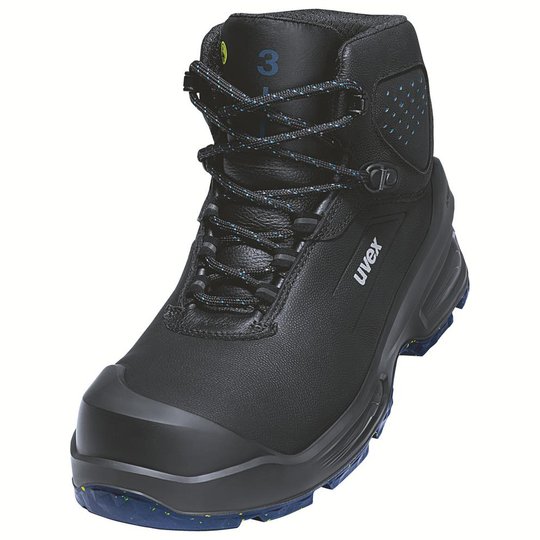
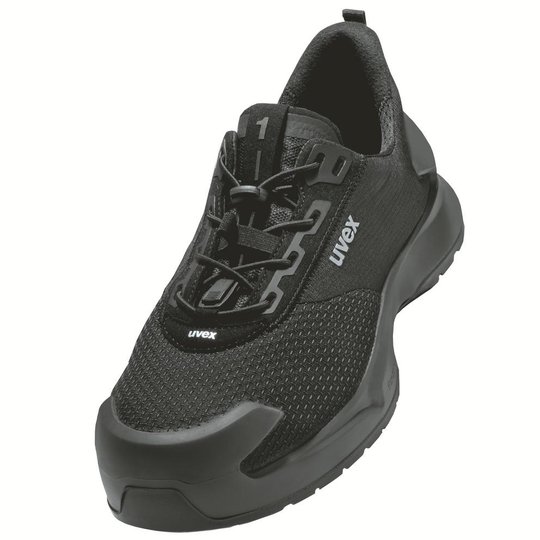
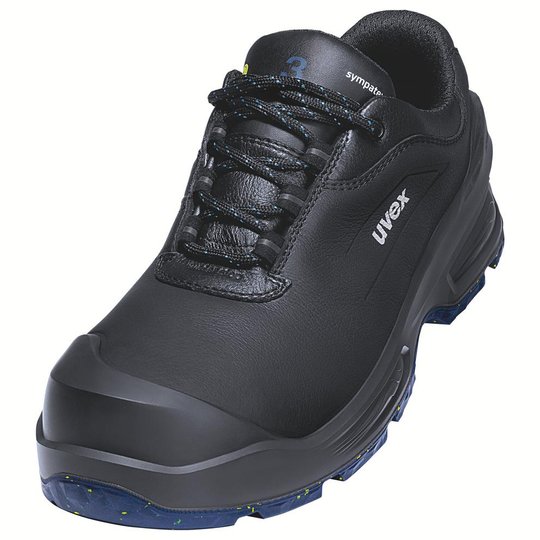
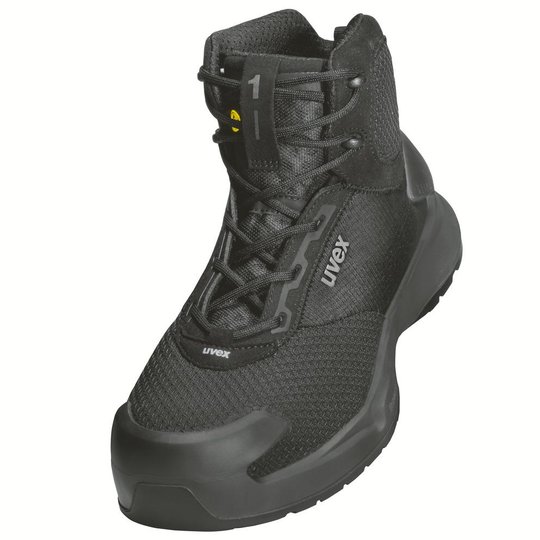
bionom x | Ergonomic design for improved performance through comfort
The ergonomic design based on biomechanical principles optimises the interaction between shoes, floor and body to facilitate natural movement.
Discover uvex safety shoes with bionom x technology
- 28 Products
Ergonomic safety footwear: Using the full range of natural movement with uvex
Safety footwear must provide reliable protection. For a long time, however, all-day comfort and active support for the body were often considered secondary. Ergonomically designed safety footwear closes this gap. Its design and construction are based on the foot's natural biomechanics, ensuring that the shoe moves with the foot, not the other way around. That's why it is important to look beyond fit alone and consider the wider range of factors that contribute to ergonomic performance.
Why are ergonomic safety shoes important in everyday work?
A safety shoe may meet all relevant standards, but if it fails to support the body's natural walking motion, every step requires additional compensatory effort. Instead of working with the footwear, the feet are forced to work against it. The consequences can include premature fatigue, pressure points, and discomfort in the knees and back after long shifts. Anyone who spends most of the working day on their feet will quickly notice the difference.
Ergonomic safety footwear addresses this challenge. Designed around the body's biomechanical principles, it supports natural movement and promotes a more efficient walking experience. The benefits go far beyond comfort alone. When workers experience less fatigue, they can stay focused for longer and perform their tasks more safely. In turn, this can contribute to greater productivity in the workplace.
How do ergonomic safety shoes differ from standard work shoes?
The key difference lies in the underlying design philosophy. Traditional safety footwear has often been developed with protection as the primary focus, with comfort coming second. Ergonomic safety footwear challenges this approach. With uvex bionom x technology, uvex has created a link between the body, the shoe and the ground beneath it.
In collaboration with biomechanics experts, we have developed our own design philosophy that takes a holistic approach to safety footwear. The result is a shoe that supports every step naturally and efficiently.
In practice, this is reflected in several design features working together:
- Optimised sole geometry: Ergonomically designed flex grooves follow the foot's natural anatomy, enabling a smoother and more natural rolling motion.
- Functional longitudinal and transverse support structures: Strategically engineered zones make the sole flexible where the foot needs freedom of movement during gait, while providing stability where secure footing is essential.
- Minimised seam construction in the upper: Seams are either reduced or positioned to avoid pressure on tendons and nerves, helping to prevent pressure points before they occur.
- Compression and expansion zones: The upper adapts to the foot by allowing flexibility where additional space is needed while providing support where stability matters most.
- Injected heel stabiliser: The integrated heel structure helps keep the foot securely positioned within the shoe, even on uneven terrain
What role does the foot's natural rolling motion play in ergonomic safety footwear?
Walking involves three distinct phases of movement: heel strike, midstance and forefoot push-off. Ergonomic safety footwear is designed to actively support each of these phases. The sole cushions impact at heel strike, guides the foot through its natural gait cycle and promotes an efficient push-off through a responsive midsole.
The uvex i-PUREnrj technology combines cushioning and energy return in a single sole material. It returns more than 60% of the energy absorbed during impact, both in the heel and forefoot areas, helping to reduce fatigue throughout the working day.
FAQ section: Further information on ergonomic safety shoes
In the FAQ section below, you’ll find further information on ergonomic safety shoes from uvex.
An ergonomic safety shoe is designed to follow the foot’s natural range of motion. This includes a flexible, tailored sole structure, an anatomically correct fit, a comfortable and supportive footbed, and a design that absorbs impact without restricting freedom of movement.
The footbed plays a crucial role in determining how the foot is positioned and moves inside the shoe. A poorly designed or overly rigid insole can significantly reduce the ergonomic benefits of the footwear. Suitable insoles support the arch of the foot and distribute pressure evenly across the sole, helping to prevent unnatural foot alignment and improve overall comfort.
In addition to uvex comfortable climatic insoles, which serve as replacement footbeds for hygiene and width adjustment within the shoe, uvex offers semi-orthopaedic footbeds that provide optimal comfort and stability by supporting the arch of the foot. They reduce signs of fatigue, prevent pressure points and improve body posture. Numerous models are also certified for use with custom-made orthopaedic insoles and shoe adjustments.
This is possible with many models. However, please ensure that there is sufficient interior space. Choose a model with a removable standard insole and sufficient depth inside the shoe if you wish to wear orthopaedic insoles.
Please note: Do not insert your own insoles into your safety shoes. The use of non-certified or personal inner soles is prohibited. They invalidate the insurance cover provided by safety shoes. Specific inner soles are certified for uvex safety shoes. Only by choosing an inner sole or adjustment certified for the respective shoe model will insurance cover remain valid. For further information, click here.
Yes. ESD properties can be combined with an ergonomic design. Check whether the shoe is ESD-certified. Electrostatic dissipation is, in fact, a separate test criterion.
There are models available for women too. Good ergonomic safety shoes for women take anatomical differences into account, such as a narrower heel, a wider toe box and a different arch geometry. When buying, look for models that are explicitly available in women’s or well-fitting unisex versions. The shoes in our uvex 1 x-cite range offer the perfect combination of style and safety.
Anyone who spends several hours a day on their feet or suffers from back and joint problems will benefit immediately. In the long term, ergonomic shoes reduce the risk of chronic strain injuries and therefore pay for themselves from a business perspective too.