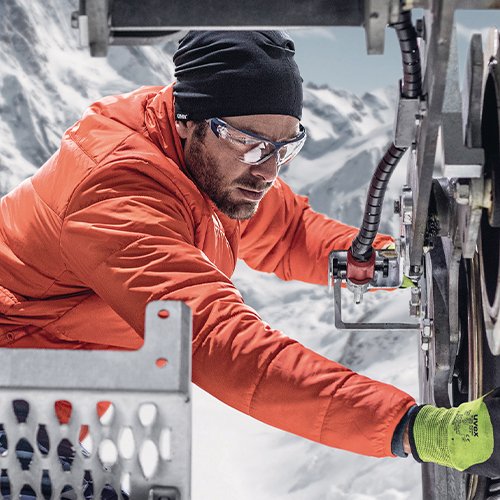
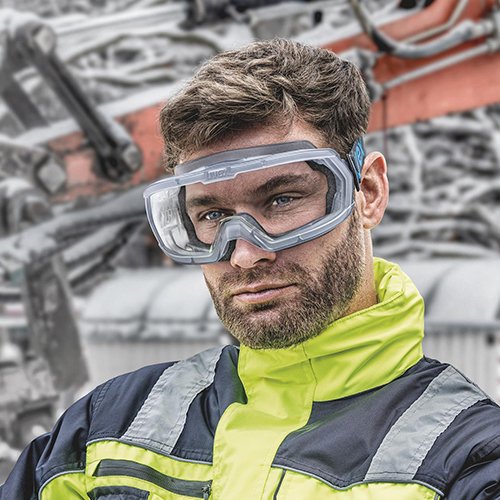
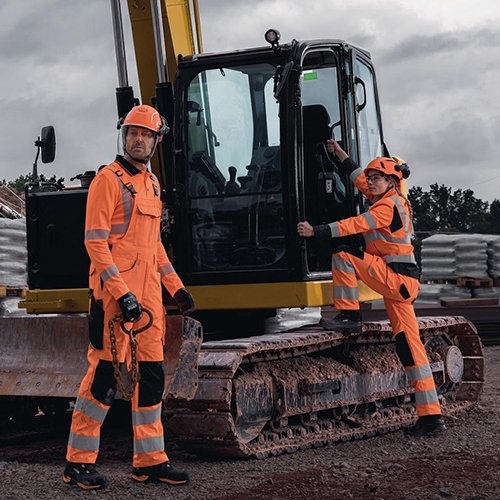
Staying safe in cold, wet, snowy and dark conditions: Discover the right protective solutions for typical winter challenges, from head to toe.
Winter PPE solutions
Request occupational safety consultation
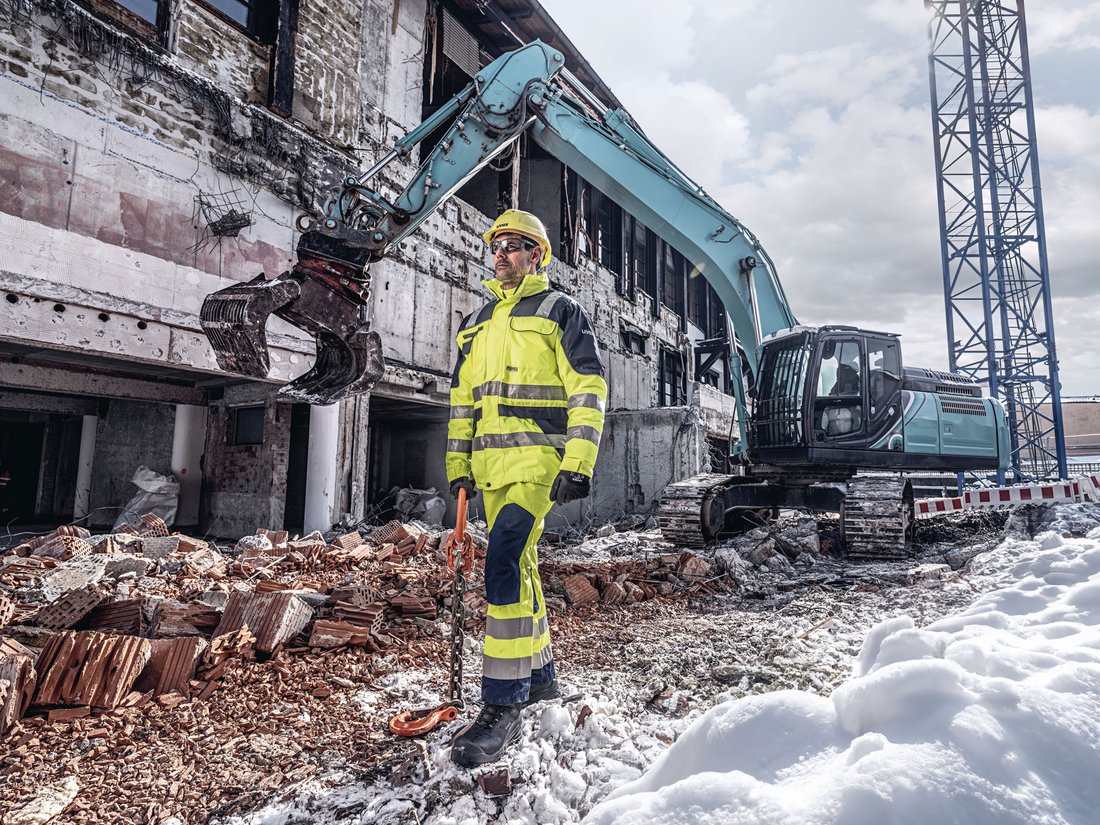
Working safely in winter conditions
Cold, wind, wet conditions, snow, ice and restricted visibility can pose additional hazards in the workplace during the colder months of the year. The protective measures required depend on the specific task and the relevant working conditions, and must be assessed as part of the risk assessment.
When it comes to PPE, uvex is your partner: with the right PPE solutions from head to toe, we help you protect your staff even in winter conditions.
What is important when selecting PPE for the colder months?
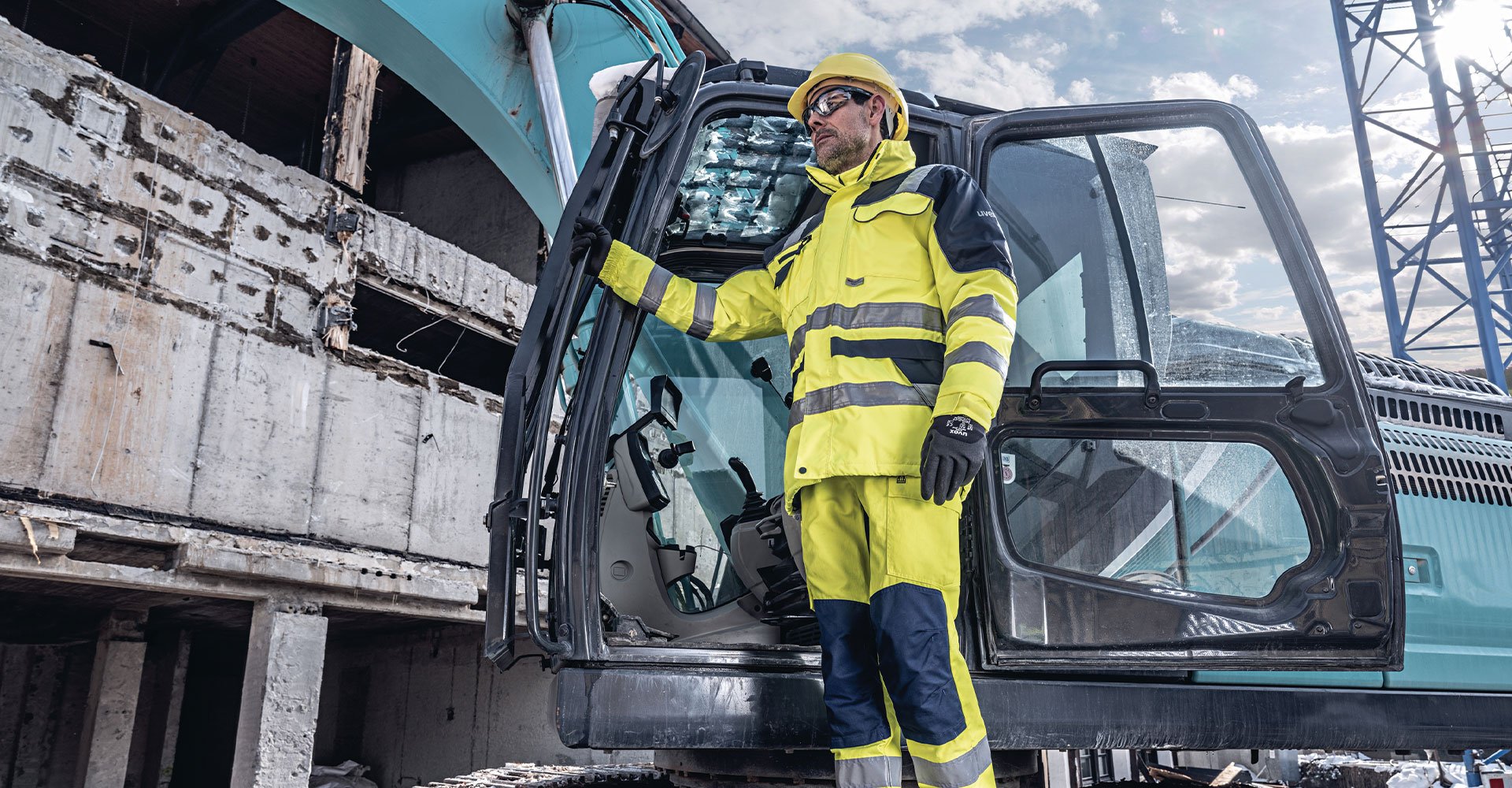
Four working conditions
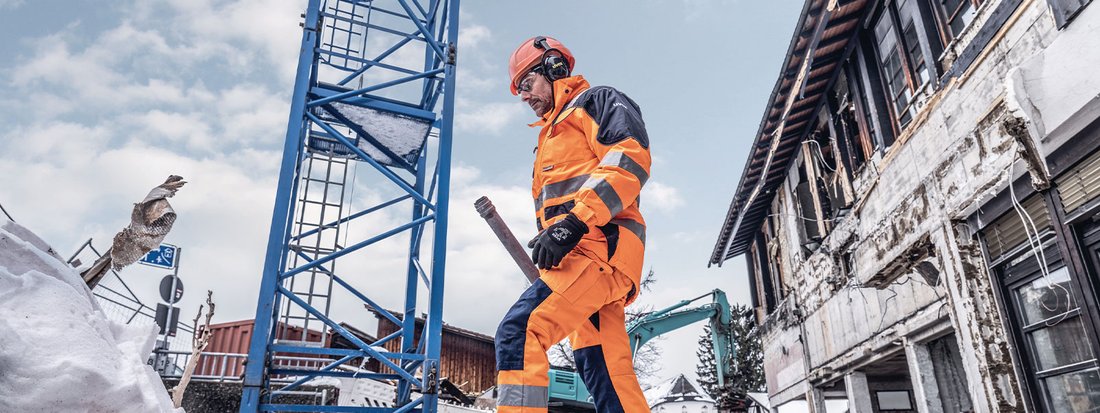

Cold and wind
Prolonged outdoor work in low temperatures and strong winds places a high strain on the body. The correct PPE protects against hypothermia whilst ensuring freedom of movement.
Thermal performance appropriate to the strain
The level of insulation required depends on temperature, wind, duration of exposure and physical activity. For clothing, standards such as EN 14058 and, depending on the application, EN 342 can provide guidance; for gloves, EN 511 is relevant.
Maintaining dexterity and a secure grip
Warm safety gloves should provide sufficient insulation without unnecessarily restricting the dexterity, mobility and grip required for the task.
Freedom of movement despite the ‘layered’ look
Multiple layers of clothing should restrict movement as little as possible and remain compatible with other PPE, such as high-visibility clothing, a fall arrest harness or a safety helmet.
Take exposed body parts into account
The necessary protection against the cold may apply not only to the body but also to the hands, feet, head and face. All components must be compatible with the rest of the PPE.
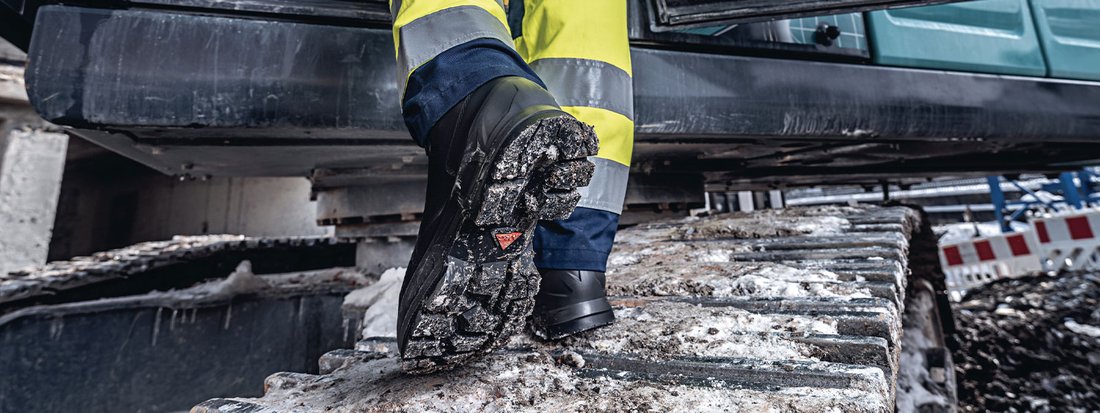

Wet conditions, snow and black ice
Moisture, snow and slippery surfaces are part of everyday working life in winter. PPE must provide reliable protection against wet conditions, keep the wearer dry and offer a secure grip.
Balancing moisture protection and breathability
Weatherproof clothing should protect against precipitation and be suited to the level of activity in terms of its moisture-wicking properties. EN 343 is an important guideline for protective clothing against rain.
Slip resistance suited to the surface
Sole tread, material and slip resistance should be assessed in relation to the actual wet, snow-covered or slippery surfaces encountered. Standardised tests are no substitute for considering real-world conditions of use.
Maintaining a secure grip in wet conditions
In addition to providing the necessary protection, safety gloves should enable a grip suitable for the task on damp or wet work equipment, whilst maintaining the necessary dexterity.
Taking glare and changing light conditions into account
Snow and bright environments can cause severe glare. Depending on the task and lighting conditions, suitable filters, tints or contrast-enhancing lenses may be relevant for eye protection.
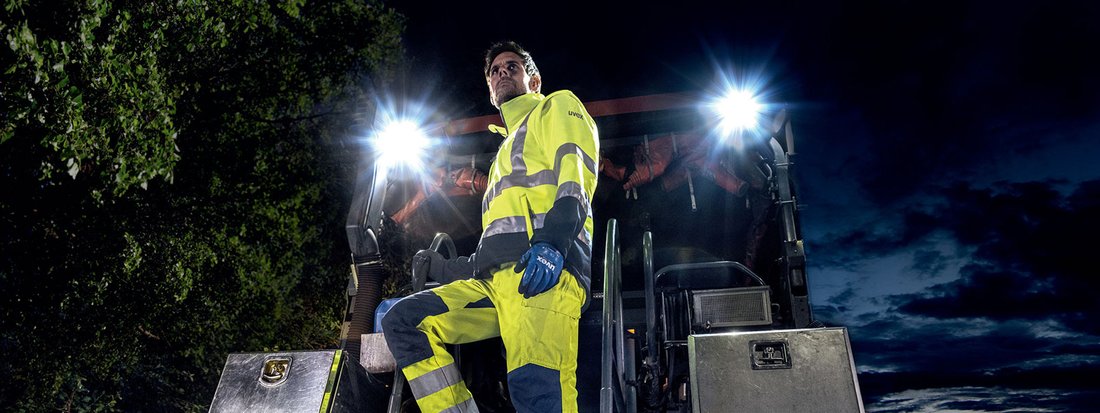

Darkness & poor visibility
Short days, fog and precipitation require good visibility – for greater safety in everyday working life. The right PPE increases visibility whilst also protecting against the weather.
Ensuring visibility
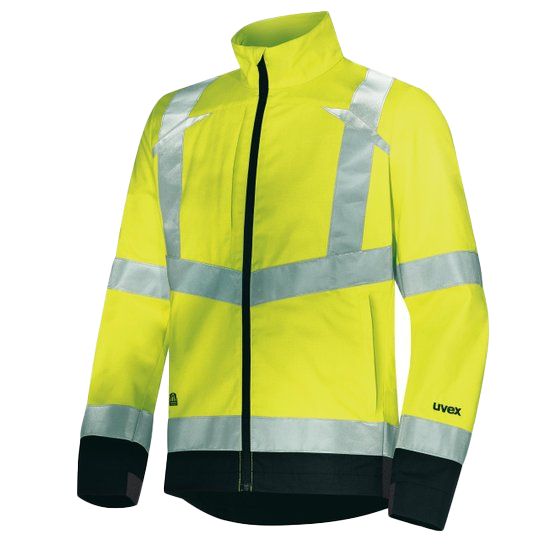
In darkness or poor visibility, high-visibility clothing in accordance with EN ISO 20471 is required. Reflective elements on other PPE components can supplement visibility but do not replace the required high-visibility clothing.
Consider the high-visibility effect of the combination worn
Additional layers for winter, weather protection or equipment must not cover the required high-visibility and reflective areas in a way that is not permitted. The combination actually worn is crucial.
Maintain field of vision
Head protection, cold-weather accessories, respiratory protection and safety spectacles should be combined in such a way that the fit, protective function and the field of vision required for the task are maintained.


Moving between indoor and outdoor areas
Frequent temperature changes place particular demands on PPE. It must be breathable, wick away moisture and, at the same time, protect against the cold.
Moving between indoor and outdoor areas
When moving frequently between indoors and outdoors, warm clothing should be easy to put on and take off. The necessary protective functions and compatibility with other PPE must be maintained.
Reducing lens fogging
When moving between cold and warm environments, condensation can impair vision through safety spectacles. Anti-fog properties are therefore particularly important during frequent temperature changes.
Flexible regulation of thermal performance
Layered clothing systems allow thermal performance to be adapted to different temperatures and activity levels. The necessary protective functions must be maintained in every intended combination of garments.
Prevent overheating and subsequent cooling
PPE that is too heavily insulated can lead to increased sweating during physical activity or in heated indoor spaces, which can cause damp clothing to become a problem when returning outdoors.
Note
The product selections shown are for guidance only. Which PPE is actually suitable depends on the specific task, the operating conditions and the relevant risk assessment. In this context, the manufacturer’s information, as well as the fit and compatibility of all PPE components used simultaneously, must be taken into account.
Our experts will help you find the right PPE solutions for your requirements.